Hama : L'Essentiel
Hama est une locality situated dans la région de l'Extrême-Nord du Cameroun,non loin de la frontière nigeriane. With a population of around 15,000 inhabitants, this city embodies the characteristics of a typical Sahelian urban center in this part of Africa. The region is known for its cultural diversity and its strategic position along trade routes linking Cameroon to neighboring countries.
Localisation de Hama
Découvrez où se situe Hama sur la carte de Cameroun.
24h dans la vie d'un Local
Daily life in Hama revolves around market activities, craft work, and agriculture.
Mornings are often busy with market trading, where local produce and goods from Nigeria are exchanged.
Evenings bring a slower pace, with social gatherings and family time.
The climate, typical of the Sahel, influences daily schedules, with rest periods during the hottest hours.
Sahel, influences daily schedules, with rest periods during the hottest hours.
Culture & Dynamisme
Scène Culturelle Locale
The culture of Hama is deeply rooted in the traditions of the peoples of the Far North region, including the Kotoko, Kanembou, and other ethnic groups. Local festivals and cultural events showcase traditional music, dance, and craftsmanship. Islam plays an important role in daily life and social organization, with numerous mosques and religious communities throughout the city.
Économie & Innovation
The local economy of Hama is primarily based on trade, particularly cross-border commerce with Nigeria, which plays a vital role in the livelihood of the population. Agriculture and livestock farming also contribute significantly to the local economy, with crops such as millet, sorghum, and vegetables being cultivated in the surrounding areas. Small-scale businesses and informal commerce dominate the economic landscape.
Nature & Saveurs
Paysages & Nature
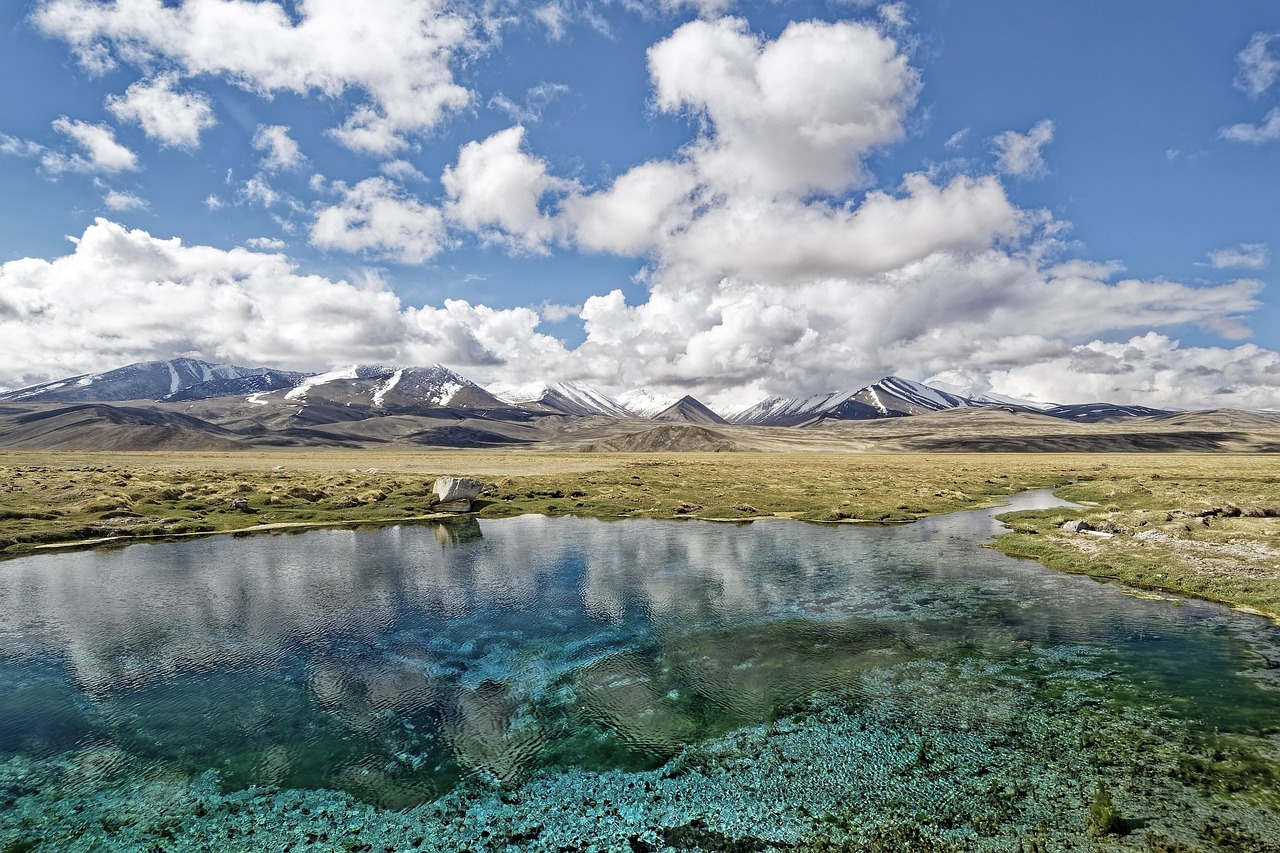
The natural environment around Hama is characteristic of the Sahel zone, featuring savanna landscapes, sparse vegetation, and proximity to bodies of water that are crucial for agriculture and livestock. The region experiences a dry season and a rainy season, with the latter bringing vital water resources for crops. Nature walks and exploration of surrounding rural areas can be enjoyed, though visitors should be prepared for the climate conditions.
Gastronomie Locale
Local gastronomy in Hama reflects the culinary traditions of the Far North, with dishes based on cereals such as millet and sorghum. Typical preparations include foufou, which is accompanied by sauces made from local vegetables and sometimes fish from the region. Spices and aromatics used in cooking reflect the influence of neighboring countries and local traditions.
Transports & Accès
Transportation in Hama and the surrounding region primarily relies on road transport, with motorcycles and shared taxis serving as common means of travel. The road network connects the city to other urban centers in the Far North, including Maroua, the regional capital. Travel to neighboring Nigeria is possible through border crossings, though visitors should check current regulations.
Éducation & Santé
Établissements
Educational infrastructure in Hama includes primary and secondary schools, providing basic education to local children. As in many rural areas of the Far North, access to higher education requires traveling to larger cities such as Maroua or Douala. NGOs and international organizations sometimes support educational programs in the region to improve access to quality education.
Infrastructures Santé
Health services in Hama are limited, with a basic health center potentially serving the population. For more complex medical needs, residents typically travel to Maroua or other larger cities in the region. The healthcare system in the Far North faces challenges related to infrastructure and personnel, and health initiatives by international organizations are present in the area.
Immobilier
Information not available for this category; to be completed with verifiable local sources. Real estate in the Far North region generally consists of traditional housing structures, with some modern buildings in urban centers. Those interested in property in Hama should consult local authorities and reliable sources for accurate information.
Points Forts & Points Faibles
✅ Avantages
- Living in Hama offers the opportunity to experience authentic Sahelian culture and the warm hospitality of the Far North population. The city's proximity to the Nigerian border facilitates cross-border trade and cultural exchanges. The lower cost of living compared to major urban centers can be an advantage for those seeking a simpler lifestyle. Community bonds remain strong, providing social support networks.
⚠️ Inconvénients
- The infrastructure in Hama remains limited, with challenges in healthcare, education, and road connectivity. The Sahelian climate can be harsh, with extreme temperatures and a short rainy season that may affect daily life. Economic opportunities may be more limited than in larger cities, and access to certain services requires travel to other urban centers. Visitors should also be aware of the security context in the Far North region.
Le Mot de la Fin
In summary, Hama represents a typical locality of the Cameroon Far North, combining cultural authenticity with economic dynamism linked to its geographical position. Visitors and those considering settling there should prepare for a lifestyle closely tied to local traditions and the rhythms of the Sahel. It is advisable to gather updated information from local authorities before any relocation project.
← Retour à l'accueil France